Packaged Life
paintings collection
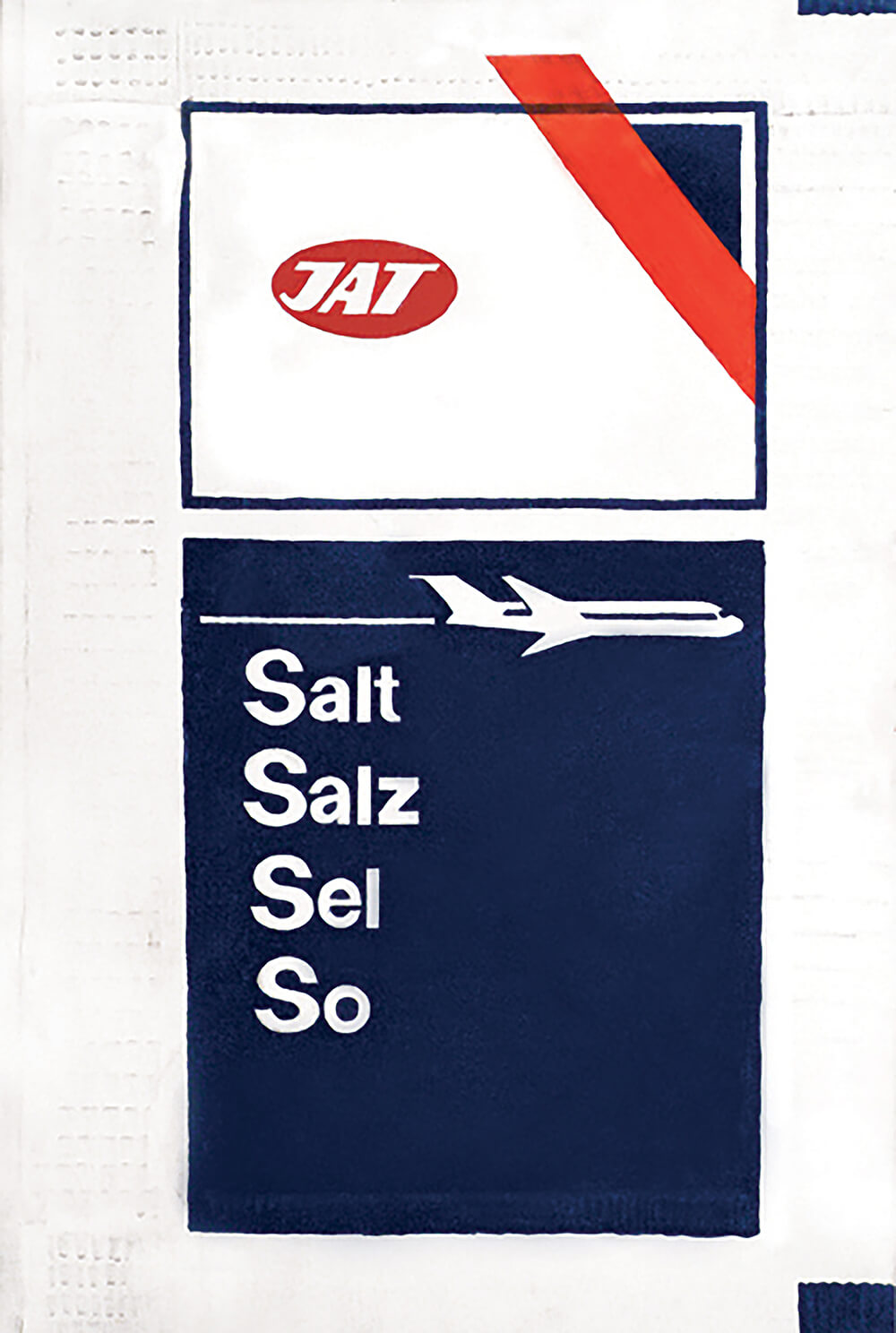
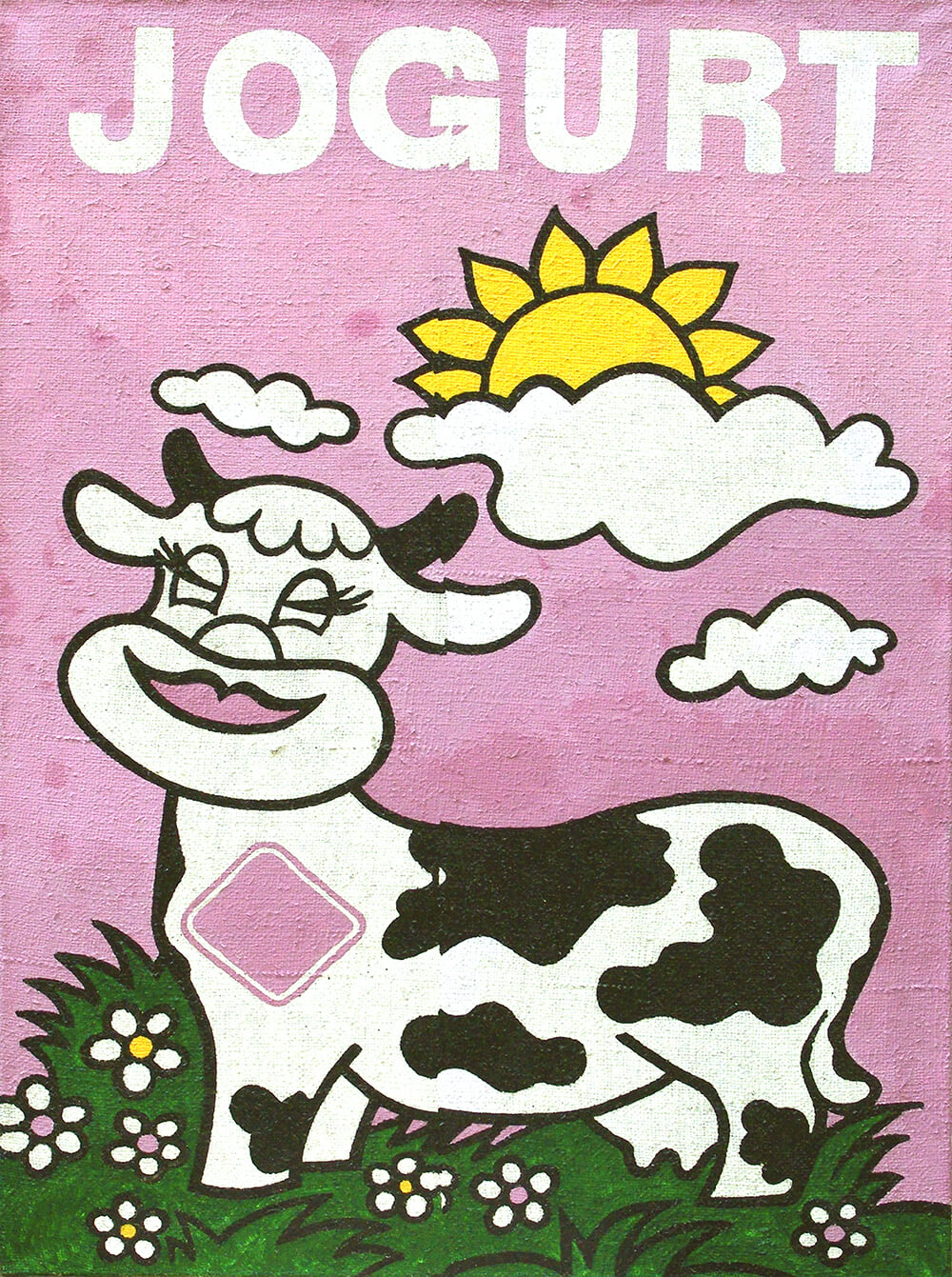
After my first two years of study, I began creating paintings, drawings, and sculptures in a pop art style. This marked the beginning of the Packaged Life Paintings collection. I focused on packaging and advertising from Eastern Europe, which carried a specific visual identity shaped by local contexts.
After the fall of the Berlin Wall, Western European and U.S. design rapidly replaced these regional aesthetics. Similar transformations also appeared in China and India. Global visual culture shifted quickly during this period.
Products and packaging that remained unchanged for decades suddenly disappeared. Western influence reshaped commercial design in only a few years. This transition became a central theme in the Packaged Life Paintings collection.
Packaging as Historical Material
I used packaging and advertisements as material for documenting historical change. They clearly reflect the global shifts of the 1990s. In socialist systems, limited competition reduced the importance of packaging design. In contrast, capitalist systems emphasized branding, advertising, and visual identity.
During the 1990s, these two systems began to merge. As a result, visual culture transformed across global markets and industries.
Printing Errors and Visual Distortion
I also studied printing imperfections in packaging. Offset printing created errors during plate alignment and raster use. Factory assembly introduced additional visual distortions.
These imperfections attracted my attention. I later reused similar effects in other works beyond the Packaged Life Paintings collection. They became part of my broader visual language.
Global Symbols and Emerging Language
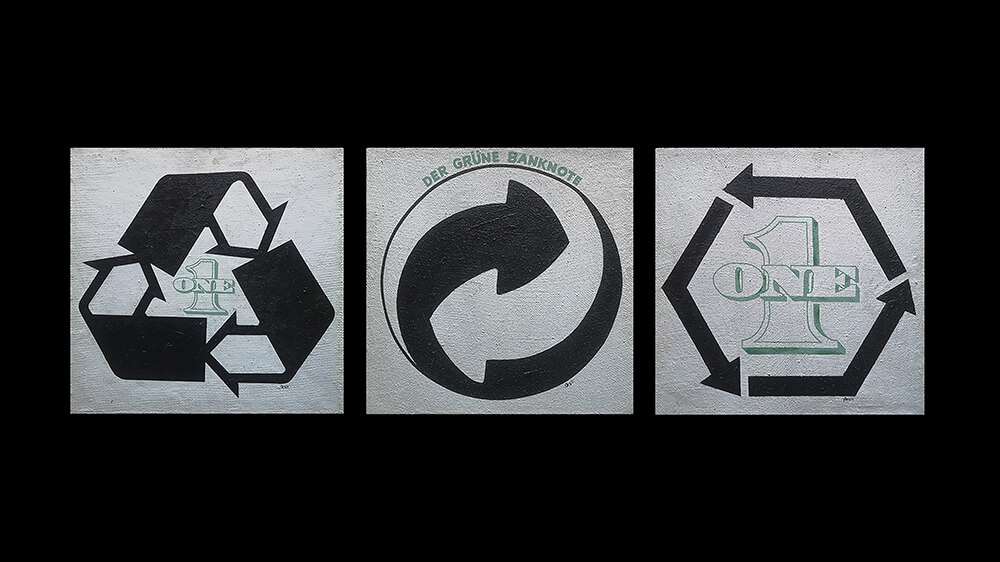
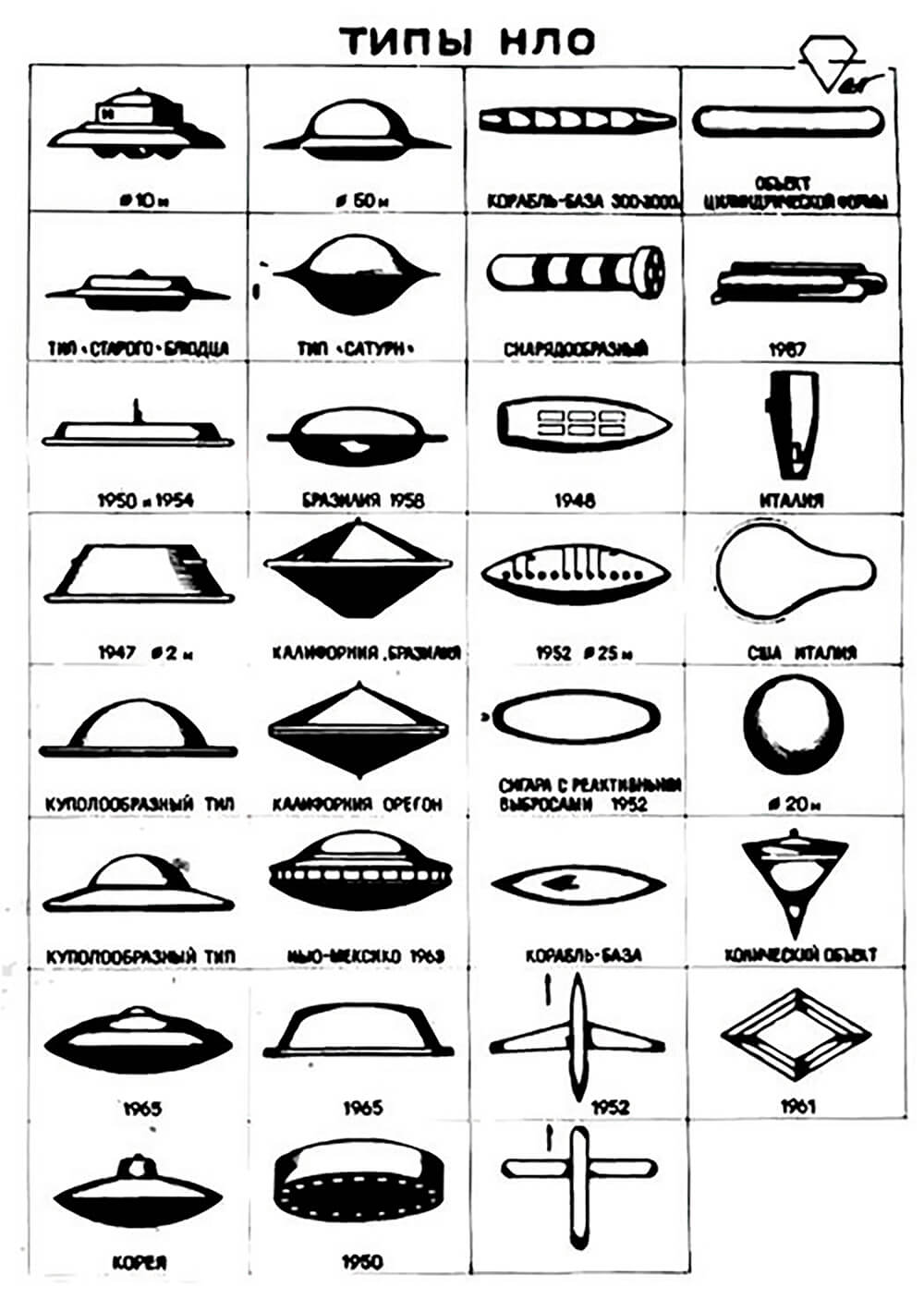
Around the same time, warning pictograms such as FLAMMABLE and TIDY MAN appeared more frequently on products. Over time, these symbols formed a global visual system. They gradually developed into a new type of pictographic language.
I became interested in how this system evolved. I explored the idea that future international communication might function as a hieroglyphic language with regional variations. To examine this, I collected packaging with identical warnings but different visual interpretations.
Sculpture and the Idea of Packaging
In sculpture, I explored packaging as a physical form with symbolic meaning. I treated it not only as a container but also as a product of human production.
Today, almost every material object requires packaging. It plays an essential role in modern life. However, it is often discarded without reflection.
This behavior has environmental consequences. Over time, it contributes to gradual changes in the global ecosystem.
After my first two years of study, I began creating paintings, drawings, and sculptures in a pop art style. This marked the beginning of the Packaged Life Paintings collection. I focused on packaging and advertising from Eastern Europe, which carried a specific visual identity shaped by local contexts.
After the fall of the Berlin Wall, Western European and U.S. design rapidly replaced these regional aesthetics. Similar transformations also appeared in China and India. Global visual culture shifted quickly during this period.
Products and packaging that remained unchanged for decades suddenly disappeared. Western influence reshaped commercial design in only a few years. This transition became a central theme in the Packaged Life Paintings collection.
Packaging as Historical Material
I used packaging and advertisements as material for documenting historical change. They clearly reflect the global shifts of the 1990s. In socialist systems, limited competition reduced the importance of packaging design. In contrast, capitalist systems emphasized branding, advertising, and visual identity.
During the 1990s, these two systems began to merge. As a result, visual culture transformed across global markets and industries.
Printing Errors and Visual Distortion
I also studied printing imperfections in packaging. Offset printing created errors during plate alignment and raster use. Factory assembly introduced additional visual distortions.
These imperfections attracted my attention. I later reused similar effects in other works beyond the Packaged Life Paintings collection. They became part of my broader visual language.
Global Symbols and Emerging Language
Around the same time, warning pictograms such as FLAMMABLE and TIDY MAN appeared more frequently on products. Over time, these symbols formed a global visual system. They gradually developed into a new type of pictographic language.
I became interested in how this system evolved. I explored the idea that future international communication might function as a hieroglyphic language with regional variations. To examine this, I collected packaging with identical warnings but different visual interpretations.
Sculpture and the Idea of Packaging
In sculpture, I explored packaging as a physical form with symbolic meaning. I treated it not only as a container but also as a product of human production.
Today, almost every material object requires packaging. It plays an essential role in modern life. However, it is often discarded without reflection.
This behavior has environmental consequences. Over time, it contributes to gradual changes in the global ecosystem.
Packaged Life Paintings Series